Ready-made set for daily use
Kids Probiotic Box
SKU: kids-probiotic-box
859 ₴
In Stock
A child’s microbiome forms an important foundation for health from early childhood. Understanding its needs helps support harmonious development and the child’s natural protective functions


Distinctive Features of a Child’s Microbiome. A child’s microbiome differs significantly from that of an adult and continues to develop actively, helping lay the foundation for future well-being.

Its Role in Natural Defences. A large proportion of the body’s immune cells are associated with the gut, which serves as an important barrier against external factors.

A Period of Social Adaptation. Starting nursery or school places new demands on a child’s natural defences. A stable internal environment helps the body adapt more comfortably to these changes.

Nutrient Absorption. Effective nutrient absorption is important for a child’s active growth. The microbiome is involved in breaking down food and absorbing its valuable components.

Internal Resources for Learning. A balanced microbiota helps support concentration and vitality, giving a child more energy for learning and discovering the world.

Quality of Nutrient Metabolism. Naturally derived components help the child’s body obtain the vitamins and amino acids it needs more effectively, supporting its natural resistance.
Bifidobacteria — the foundation of a child's gut microflora
Kids probiotic box is selected considering the role of bifidobacteria as the primary genus of the gut microflora, which is especially important in childhood.

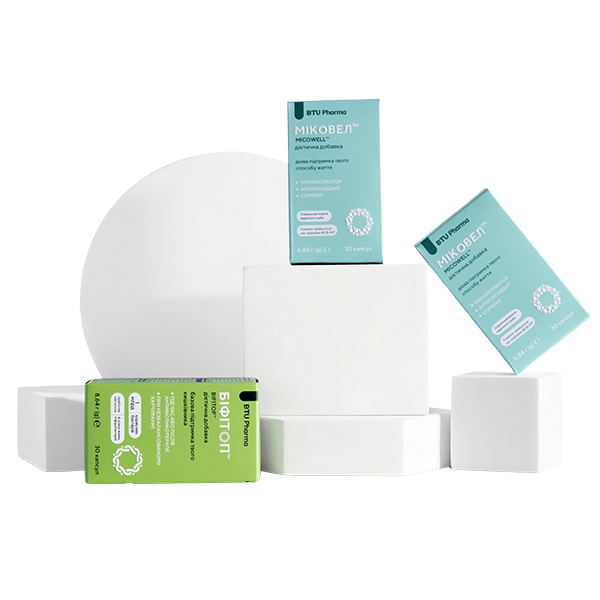
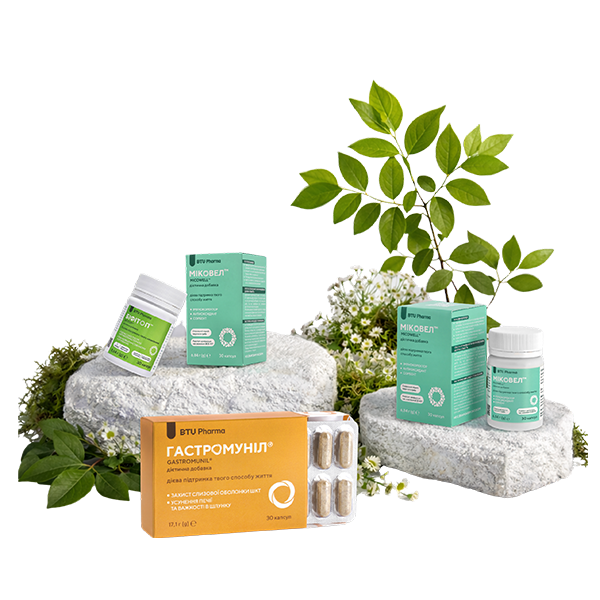
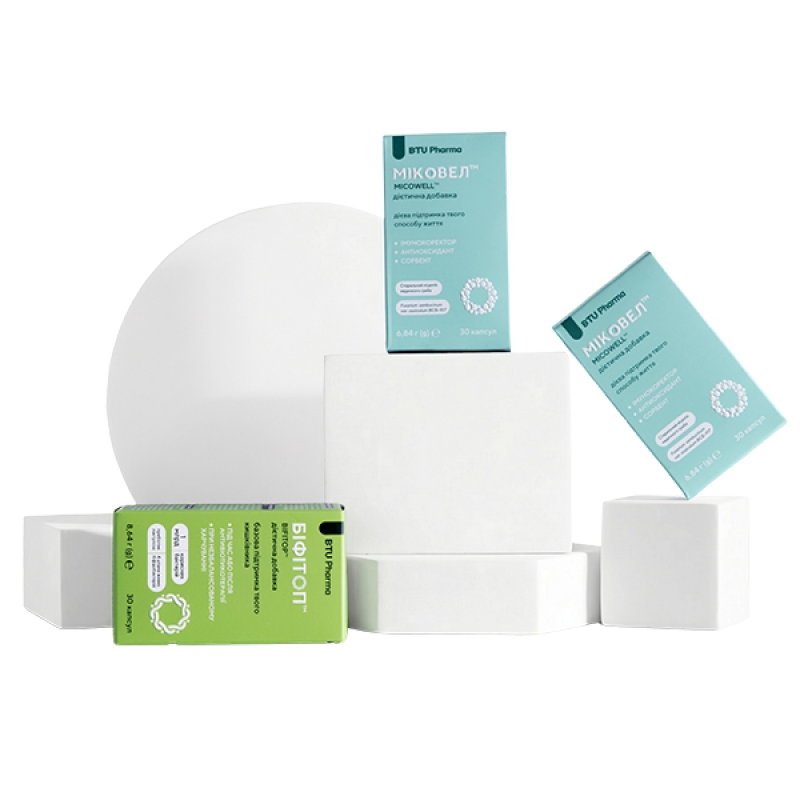
Bifitop™ 1 billion CFU A synbiotic with a high content of bifidobacteria (4 strains) — a genus that forms the foundation of the gut microflora — and the prebiotic lactulose.

Micowell™ Contains a lyophilisate of sterile mycelium of the fungus Fusarium sambucinum var. ossicolum VSB-917.

Simple composition. Just two products in the set — without unnecessarily complicating the intake schedule for a child.

Prebiotic included. Bifitop™ contains lactulose to support your own microflora.
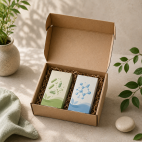
Convenient format. The products in the set are selected for a full course and provide a variety of components.

Simple intake schedule: morning: 2 capsules Micowell; evening: 1 capsule Bifitop.
When to consider the Kids Probiotic Box
When it's important to take care of the foundation of the microflora
Bifidobacteria form the basis of the gut microflora, so the set contains a synbiotic with a high content of them, selected for children.
When you want a simple solution for your child
Just two products in the set — no need to figure out a large number of strains or schedules.
When a child's diet often changes
Children's nutrition is often irregular due to daily routine, kindergarten, or school — the complex helps supplement the diet.
When a simple and clear intake schedule matters
Morning and evening intake that's easy to remember and won't be missed.
A ready-made complex solution to supplement your daily diet

This is a set for parents who want to take care of their child's diet without diving into complicated bacteria names or picking products on their own.

Dietary supplements to complement the diet, containing a synbiotic and a fungal component, in a convenient capsule format.

Do not exceed the recommended daily intake. Dietary supplements should not be used as a substitute for a balanced diet.

Bifitop™ has a vegan capsule made from plant-based raw materials, free from ingredients of animal origin.

The capsules are easy to swallow and are well tolerated with regular use.

The Bifitop™ capsule has an acid-resistant coating that provides additional protection for the bacteria as they pass through the stomach.
We chose one direction
and develop it every day
Narrow specialization allows us to work more deeply on the product at every level — from the formula to the production technology
25+
years of experience
14+
proprietary original strains
19+
probiotic solutions, a comprehensive approach to different needs
99%
ingredients of natural origin
5M
satisfied consumers
Probiotic bacterial cultures and prebiotics
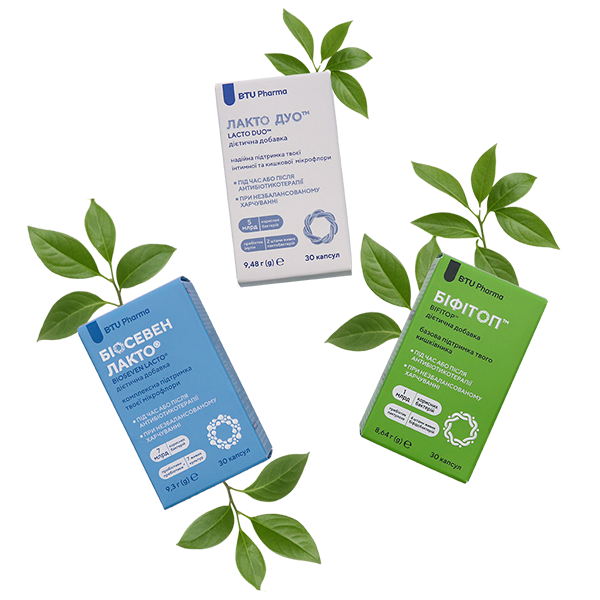
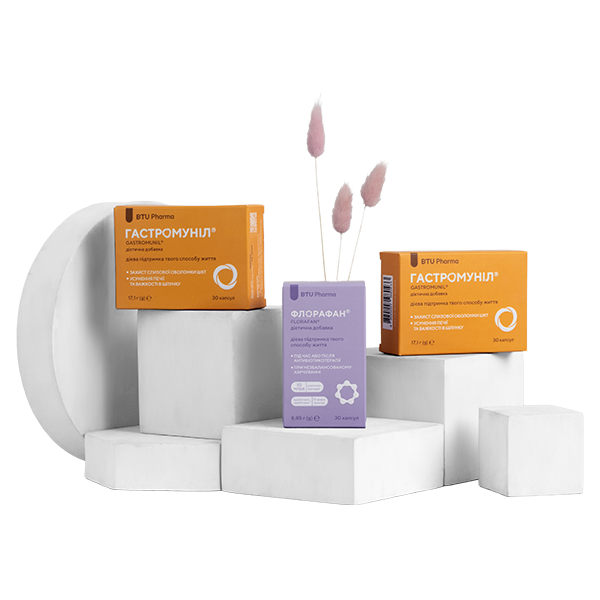
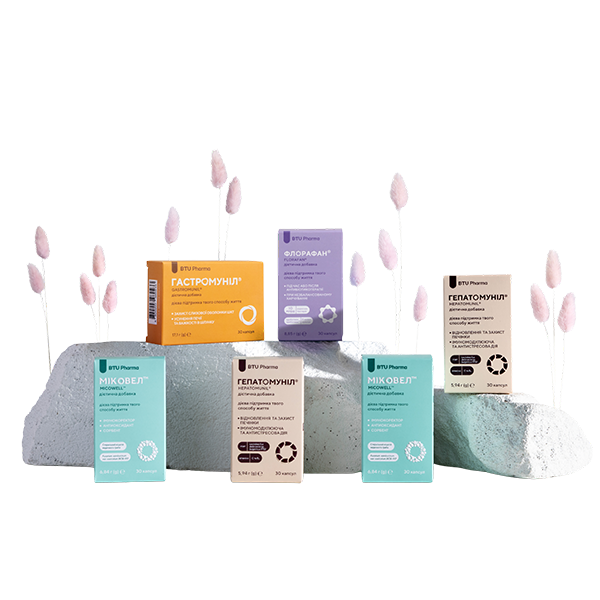
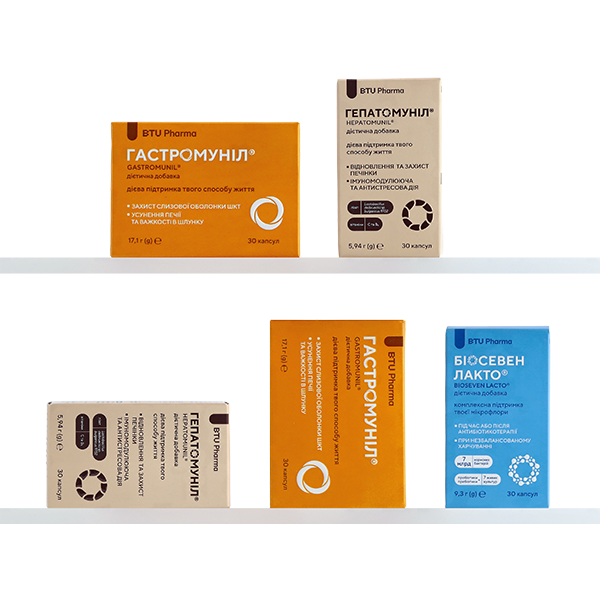
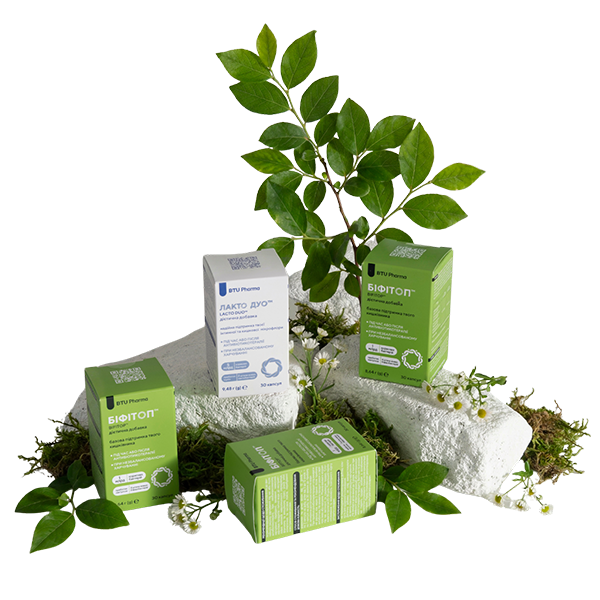
Kids Probiotic Box is a set of two products: Micowell™ (a fungal component based on Fusarium sambucinum mycelium) and Bifitop™ (a synbiotic containing 4 strains of bifidobacteria and the prebiotic lactulose).
The simple formulation and clear morning-and-evening intake regimen make the set convenient for daily supplementation of a child’s diet.
Key features of the set:
Order Kids Probiotic Box for simple supplementation of your child’s diet.