When you want more ease in your daily rhythm
Comfort Probiotic Box
SKU: comfort-probiotic-box
1 219 ₴
In Stock
The microbiome interacts with the mucous membranes, the digestive system and other physiological processes, forming a complex ecosystem within the body


The stomach mucosa as the primary defense. The integrity of the stomach's epithelial layer affects food perception. Disruption of this barrier can be accompanied by a feeling of heaviness and early satiety.

Gut microflora is involved in regulating peristalsis. A lack of beneficial bacteria can affect the speed of food transit and be accompanied by GI discomfort.

Intestinal barrier in IBS. The condition of the intestinal mucosal layer regulates its permeability. A decrease in the protective properties of the lining can irritate nerve endings and contribute to the development of IBS symptoms.

Microflora and gas formation. A balanced microbiome affects the activity of fermentation processes that cause excessive gas formation. Microflora stability may reduce manifestations of bloating and GI discomfort.

The GI tract has its own nervous system that interacts with the microbiome. An imbalance in the microflora can increase sensitivity to stress factors and worsen manifestations of IBS and dyspepsia.

Systemic regulation of functional comfort. Supporting the normal condition of the mucous membranes and microbiome creates conditions for reducing the digestive tract's sensitivity to daily stress.
Digestive comfort support in one set
Gastromunil® and Florafan® are selected to complement the diet when abdominal discomfort is felt.

Gastromunil® (metabiotic) Lyophilisate of lactic acid bacteria Lactobacillus delbrueckii sp. bulgaricus 9702 together with the products of their vital activity (fermented protein, amino acids) — 25-30%.
Florafan® 10 billion CFU A multi-strain synbiotic containing lacto- and bifidobacteria, thermophilic streptococcus, propionic acid bacteria, and the prebiotics inulin and lactulose.

Metabiotic and synbiotic together. Two products with different mechanisms of action complement the diet to support digestive comfort.

Prebiotics included. Florafan® contains inulin and lactulose to support your own microflora.

Vegan capsule. Florafan® is a capsule made from plant-based raw materials with an acid-resistant coating that provides additional protection for the bacteria as they pass through the stomach.

Dosage regimen: morning: 1 capsule of Florafan; evening: 2 capsules of Gastromunil. Take 30 minutes before a meal.
When to consider the Comfort Probiotic Box
When discomfort is felt after eating
Changes in diet, eating in a hurry, or unfamiliar foods can affect digestive comfort. The complex helps supplement the diet with probiotic cultures.
When you want to support your daily comfort
Not a one-time remedy, but a course-based solution with a well-thought-out intake schedule — morning and evening intake for even support throughout the day.
When your usual eating rhythm changes
Travel, business trips, or seasonal changes in diet — during such periods, it's convenient to have a simple and clear format for daily supplementation.
When you want to combine several areas of support
The complex combines a metabiotic (Gastromunil®) with a multi-strain synbiotic (Florafan®) in one course regimen.
A ready-made complex solution to supplement your daily diet

This is a set for those who want to support digestive comfort without diving into complicated bacteria names or picking products on their own.

Dietary supplements to complement the diet, containing a metabiotic and a synbiotic with probiotic and prebiotic components, in a convenient capsule format.

Do not exceed the recommended daily intake. Dietary supplements should not be used as a substitute for a balanced diet.

Florafan® — a vegan capsule made from plant-based raw materials, free from ingredients of animal origin.

The capsules are easy to swallow and are well tolerated with regular use.

The Florafan® capsule has an acid-resistant coating that provides additional protection for the bacteria as they pass through the stomach.
We chose one direction
and develop it every day
Narrow specialization allows us to work more deeply on the product at every level — from the formula to the production technology
25+
years of experience
14+
proprietary original strains
19+
probiotic solutions, a comprehensive approach to different needs
99%
ingredients of natural origin
5M
satisfied consumers
Probiotic bacterial cultures and prebiotics
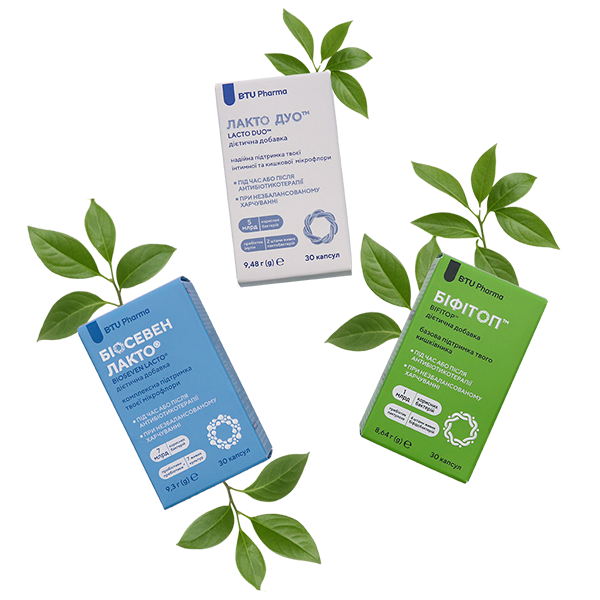



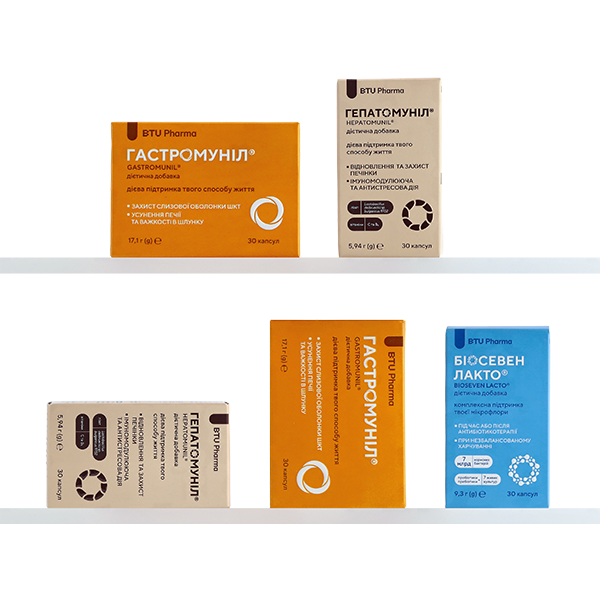

Comfort Probiotic Box combines Gastromunil® and Florafan® — a metabiotic based on Lactobacillus delbrueckii sp. bulgaricus and a multi-strain synbiotic containing lactobacilli, bifidobacteria, thermophilic streptococcus, propionic acid bacteria, and the prebiotics inulin and lactulose.
The set is designed to supplement the diet as a course during periods of changes in daily routine, eating habits or travel, with a simple morning-and-evening intake regimen.
Key features of the set:
Order Comfort Probiotic Box to support daily comfort.