
Key beneficial properties
Thermophilic streptococcus is a heat-tolerant species of lactic acid bacteria traditionally used as a starter culture in the production of yoghurt and hard cheeses.

Thermophilic fermentation
Capable of active growth and fermentation at elevated temperatures of up to 45°C, making it a key culture for heat-processed fermented dairy products.

Starter culture for yoghurt
Traditionally used together with lactobacilli as a core culture for the production of yoghurt and similar fermented products.

Lactic acid activity
Produces lactic acid, lowering the pH of the environment and creating favourable conditions for the development of other probiotic cultures.

Formation of product texture
The ability of certain strains to synthesise exopolysaccharides influences the consistency and texture of the final fermented product.
Importance for the Body’s Daily Functioning
Probiotic microorganisms are natural representatives of the human microbiota and traditional food fermentation cultures used in dietary supplements.
Depending on the genus, they colonise different parts of the digestive tract or are used outside the body in the production of fermented foods.
They serve as core cultures for a wide range of fermented products, including fermented dairy products, cheeses and silage, as well as probiotic dietary supplements.
For industrial use, the key parameters include strain stability during cultivation, resistance to processing conditions such as temperature, pH and freeze-drying, and compliance with CFU requirements.
Strain-specific characteristics determine whether a culture is suitable for a particular production process.
01.Fermentation Activity
Produce organic acids that affect the pH of the fermentation environment
02.Strain-Specific Stability
Resistance to cultivation and storage conditions varies between strains
03.Compatibility in Formulations
Used individually or in combination with other probiotic cultures
04.Controlled Concentration and Properties
Viability is confirmed through laboratory testing at every stage of production; specific parameters depend on the genus and strain
Why manufacturers choose thermophilic streptococcus from BTU Pharma?
We offer biomass produced through a complete manufacturing cycle with quality control at every stage — from strain cultivation to finished raw material for industrial use

Complete manufacturing cycle
Cultivation and stabilisation of biomass at our own production facilities.

Quality control
Laboratory control of culture purity and CFU count at every stage.

Scientific support
Selection of strains in cooperation with microbiologists according to the customer’s requirements.

Flexible supply formats
Live biomass, freeze-dried material, concentrate, lysates and cell-free supernatants — subject to agreement.
Strains we grow

Industrial applications of Streptococcus thermophilus biomass
Food industry
Starter culture for the production of yoghurt, mozzarella and other heat-processed fermented dairy products.
Agriculture
A component of biological products used for forage ensiling.
Pharmaceutical industry
Raw material for the production of dietary supplements based on heat-tolerant lactic acid cultures.
Veterinary industry
A component of feed additives intended to support digestion in animals.
Cosmetology
We supply Streptococcus thermophilus raw materials in the form of live biomass, lysates and cell-free supernatants for the production of skincare cosmetics.
Ecology and waste recycling
Used in fermentation processes for the treatment and processing of organic waste.
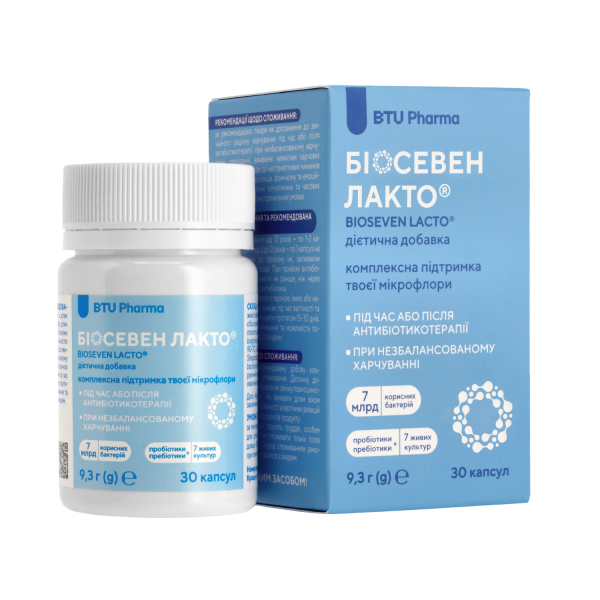

Planning to Purchase or Develop a Product Based on Thermophilic Streptococcus?
Streptococcus thermophilus is a thermophilic species of lactic acid bacteria traditionally used as a starter culture in the production of yoghurt and certain types of hard cheese. Its ability to withstand elevated cultivation temperatures determines its role in heat-treated fermented dairy products.
BTU Pharma carries out full-cycle cultivation of thermophilic streptococcus biomass — from strain cultivation to a ready-to-use raw material form. Production includes laboratory control of the concentration of viable cells (CFU).
Benefits of working with BTU Pharma:
- More than 25 years of experience in cultivating probiotic microorganisms
- A deposited strain with confirmed origin
- Flexible supply formats: concentrate, freeze-dried material, bulk and OEM
- Laboratory quality control at every stage of production
Contact our B2B department to discuss technical requirements and supply volumes.