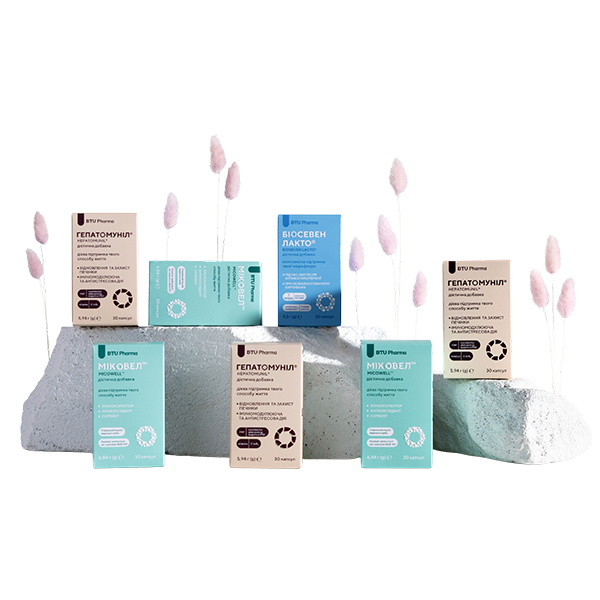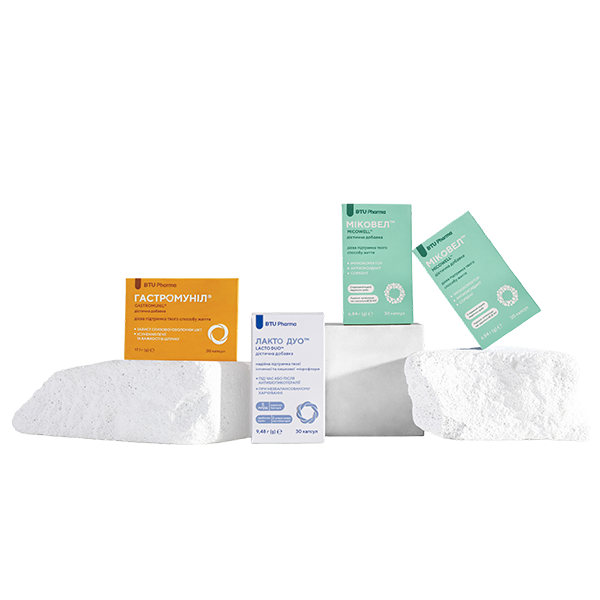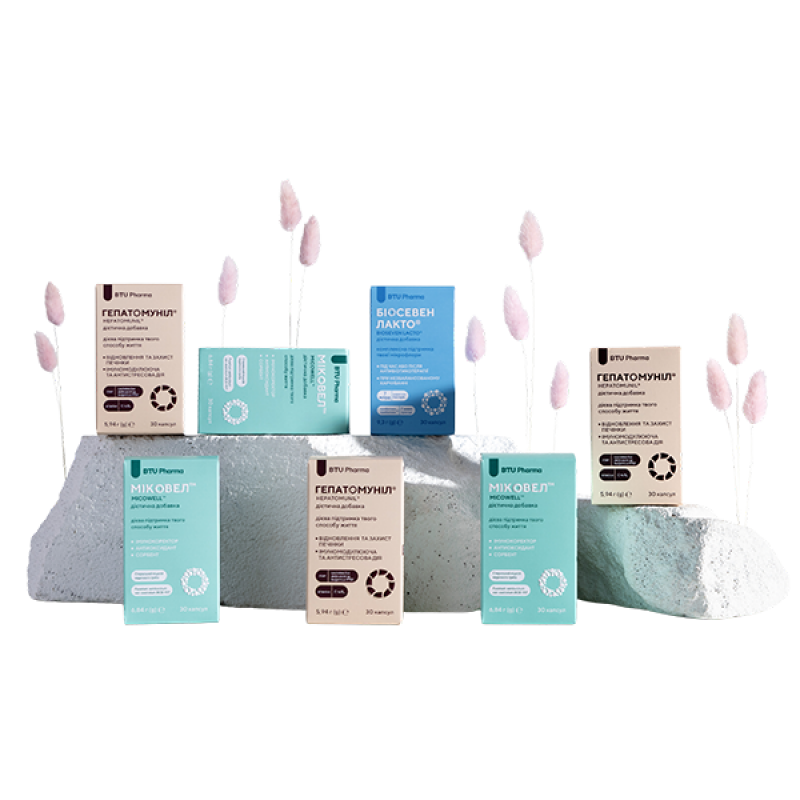
Ready-made set for daily use
4 Seasons Balance Probiotic Box
SKU: 4-seasons-balance-probiotic-box
2 153 ₴
In Stock
The change of seasons affects lifestyle, eating patterns, physical activity levels, and other factors that can change the body's needs.


Seasonal Cycles. Changes in the seasons are accompanied by shifts in the body’s biological rhythms. During these periods, metabolic processes change, and the body’s need for nutrients to maintain stability may increase.

Response to External Factors. Temperature fluctuations and changes in daylight hours and humidity place natural demands on the body. Maintaining internal balance can influence how effectively the body adapts.

A Factor in Resilience. The microbiome interacts with the immune system and contributes to the body’s natural resistance. A diverse gut microbiota helps support the body’s natural protective barrier during seasonal transitions.

The Role of the Liver. Seasonal changes in the diet may increase the workload on the body’s metabolic systems. Proper liver function supports the timely processing and elimination of metabolic by-products and helps maintain vitality.

Quality of Nutrient Metabolism. Effective absorption of vitamins and minerals from food helps the body build and use its internal resources.

Comprehensive Self-Regulation. Physiological support for the liver, gastrointestinal tract and microbiota helps create the conditions needed to maintain performance and natural balance throughout the year.
Seasonal diet support during transitional periods
Bioseven Lacto®, Hepatomunil®, and Micowell™ are selected to complement the diet specifically during off-season periods — when the climate, daily routine, and eating habits change.

Micowell™ Contains a lyophilisate of sterile mycelium of the fungus Fusarium sambucinum var. ossicolum VSB-917.

Hepatomunil® A lysate of the lactic acid bacterium Lactobacillus delbrueckii sp. bulgaricus 9702, vitamins C and B5 — both of which contribute to the reduction of tiredness and fatigue and to normal energy metabolism.

Bioseven Lacto® 7 billion CFU A complex synbiotic containing 7 strains of lacto- and bifidobacteria, thermophilic streptococcus, and the prebiotics inulin and lactulose.

Three products for the transitional period. A synbiotic, a lysate with vitamins, and a fungal component — broader coverage exactly when diet and routine change most often.

Prebiotics included. Bioseven Lacto® contains inulin and lactulose to support your own microflora.

Convenient format. Three products for the course, put together in one box.
When to consider 4 Seasons Balance
When the off-season arrives
The transition between seasons is often accompanied by changes in climate, daylight hours, and eating habits — a natural reason to supplement your diet.
When you want to support your body with vitamins during seasonal changes
Vitamins C and B5 in the composition contribute to the reduction of tiredness and fatigue and to normal energy metabolism — relevant during periods when workload and routine are especially unstable.
When you want to combine several areas of support at once
A synbiotic, a lysate with vitamins, and a fungal component — three products with different mechanisms of action in one course.
When you want year-round consistency
A format that's convenient to repeat every season for regular diet support.
A ready-made complex solution to supplement your daily diet

This is a set for those who want to support their diet during seasonal changes without diving into complicated bacteria names or picking products on their own.

Dietary supplements to complement the diet, containing a synbiotic, a lysate with vitamins, and a fungal component, in a convenient capsule format.

Do not exceed the recommended daily intake. Dietary supplements should not be used as a substitute for a balanced diet.

Bioseven Lacto® — a vegan capsule made from plant-based raw materials, free from ingredients of animal origin.

The capsules are easy to swallow and are well tolerated with regular use.

The Bioseven Lacto® capsule has an acid-resistant coating that provides additional protection for the bacteria as they pass through the stomach.
We chose one direction
and develop it every day
Narrow specialization allows us to work more deeply on the product at every level — from the formula to the production technology
25+
years of experience
14+
proprietary original strains
19+
probiotic solutions, a comprehensive approach to different needs
99%
ingredients of natural origin
5M
satisfied consumers
Probiotic bacterial cultures and prebiotics

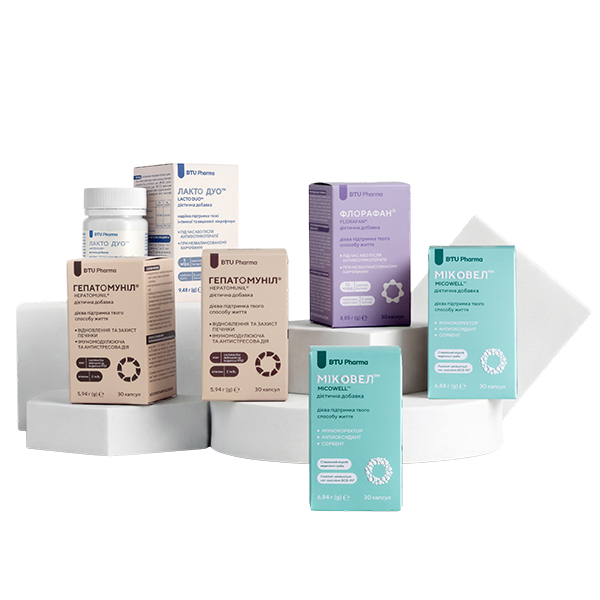

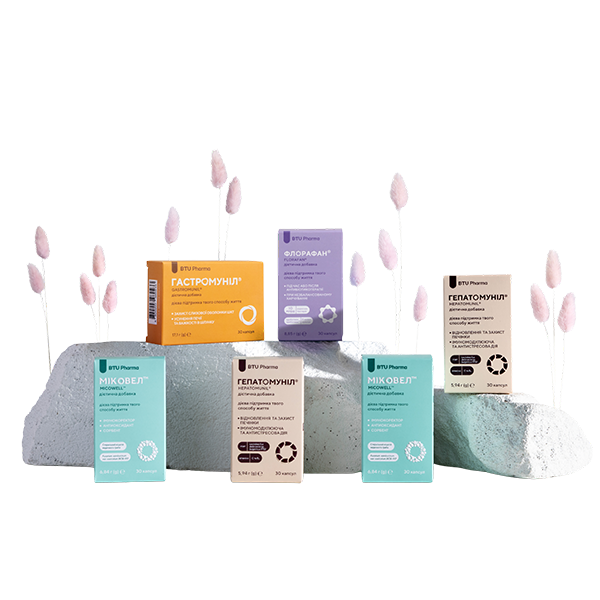
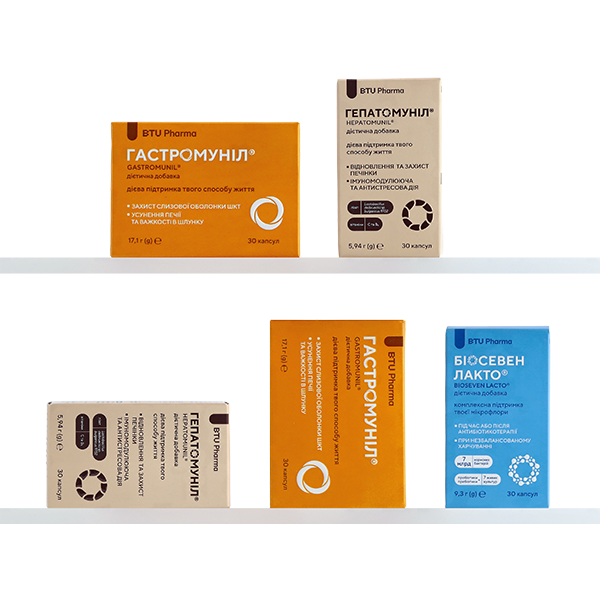

4 Seasons Balance Probiotic Box combines Bioseven Lacto® (7 strains of lactobacilli and bifidobacteria, thermophilic streptococcus and prebiotics), Hepatomunil® and Micowell™ — a synbiotic, a lysate with vitamins C and B5, and a fungal component in one course.
The set is designed for regular dietary supplementation throughout the year, particularly during seasonal changes in climate, daily routine or eating habits.
Key features of the set:
Order 4 Seasons Balance Probiotic Box for seasonal dietary supplementation.